
Corpus Christi Humidity and Mold: A Year-Round Prevention Guide
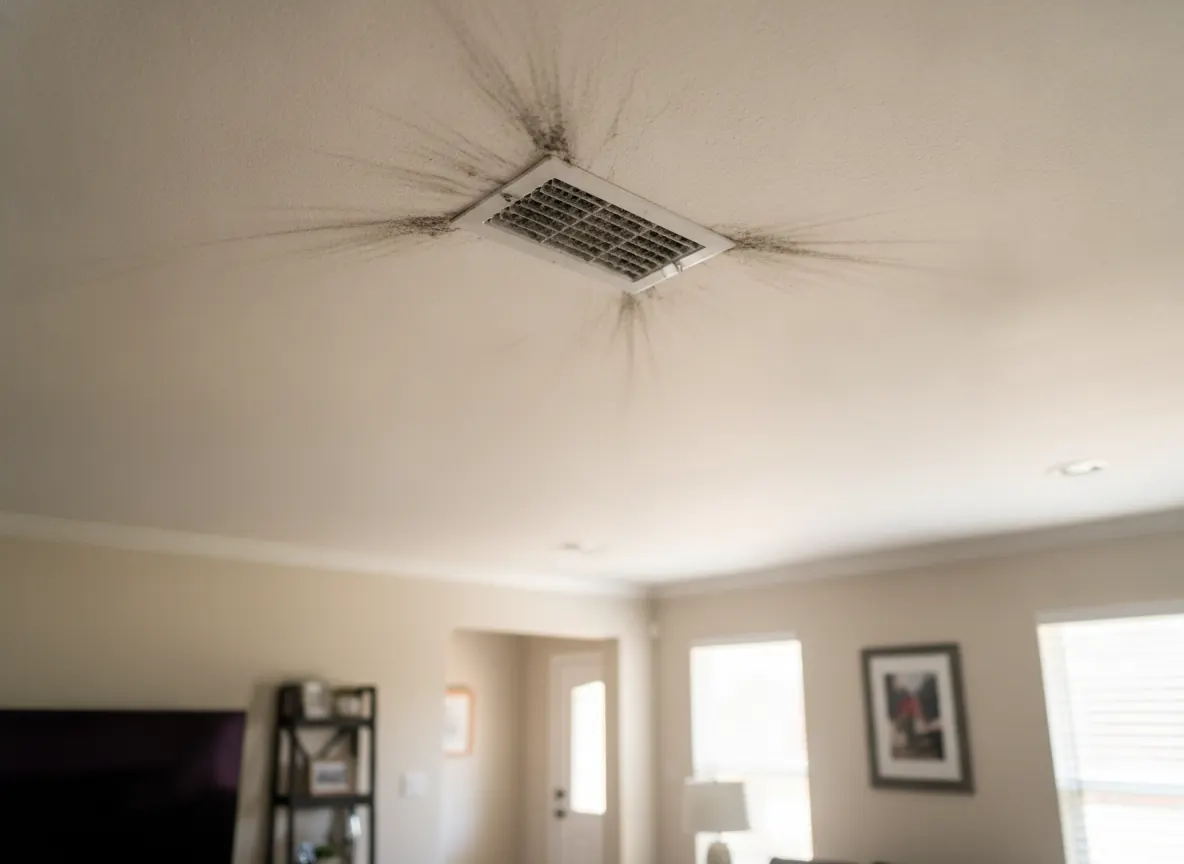
Corpus Christi, Texas is not an especially rainy place. The problem is the air. Moisture comes off the Gulf and the bays for most of the year, and homes here run air conditioning hard to keep up with it. This guide uses federal climate data to show when the risk is highest and gives a practical, season-by-season plan to keep moisture, and mold, under control.
The numbers. About 32 inches of rain a year, September the wettest month, about 123 days a year at 90°F or hotter, summer dew points averaging about 74°F (NOAA 1991–2020, Corpus Christi International Airport).
How humid is Corpus Christi, month by month?
Dew point is the better measure for mold than relative humidity, because it tells you how much water is actually in the air. The table uses NOAA's 1991–2020 normals for the airport station. Dew points are averages of NOAA's hourly dew point normals for each month, computed for this site.
| Month | Rain (in) | Mean dew point (°F) | Days 90°F+ |
|---|---|---|---|
| Jan | 1.39 | 48.3 | 0.1 |
| Feb | 1.29 (driest) | 52.0 | 0.4 |
| Mar | 2.28 | 57.4 | 0.9 |
| Apr | 2.04 | 62.9 | 3.1 |
| May | 3.38 | 69.8 | 9.9 |
| Jun | 3.56 | 74.1 | 23.2 |
| Jul | 2.54 | 74.7 | 28.2 |
| Aug | 2.75 | 74.3 | 29.0 |
| Sep | 5.42 (wettest) | 71.7 | 19.6 |
| Oct | 3.13 | 64.6 | 7.8 |
| Nov | 2.03 | 56.5 | 0.8 |
| Dec | 1.93 | 50.0 | 0.0 |
Two patterns stand out. Monthly mean dew points stay at or above about 70°F from May through September. And May through October brings about 65% of the year's rain, computed from the same monthly normals. By the same kind of calculation, Corpus Christi's July dew point is a little higher than Tampa's, so the summer air here is about as moist as Florida's Gulf coast. NOAA's 1991–2020 product does not include relative humidity normals.
Why humid air turns into mold indoors
As general building science: when moist air touches a surface cooler than its dew point, water condenses on that surface. With summer dew points around 74°F, plenty of surfaces in an air-conditioned house can get cooler than that:
- AC ducts and air handlers sitting in a hot attic
- Supply registers and the ceiling drywall around them
- Cold-water lines inside walls and under sinks
- The back of drywall in rooms that are cooled very hard
Condensation that keeps returning in the same spot is how many Coastal Bend mold problems start, with no leak at all. The reverse also happens: when the AC fails or a house is closed up with the system off, indoor humidity can climb quickly. See AC and HVAC mold for what happens inside ducts and air handlers.
What indoor humidity should you aim for?
EPA's mold guidance is commonly cited for keeping indoor relative humidity below 60%, ideally 30–50%. A simple hygrometer, sold at most hardware stores, tells you where your house actually sits. If readings stay high in summer even with the AC running, ask an HVAC contractor whether the system is sized and set up to remove moisture, not just to cool. A dehumidifier can help in closed rooms, closets and storage areas.
A year-round prevention plan for Coastal Bend homes
General maintenance advice, timed to the local climate:
Late winter (February to March)
The driest, lowest-dew-point stretch of the year. Inspect the attic, under sinks and around windows. Fix small leaks and recaulk tubs and showers while it is easy to dry things out.
Spring (April to May)
Dew points climb toward 70°F. Service the AC before the heavy season: clean or replace filters, and have the drain pan and condensate line checked so they drain freely.
Summer (June to August)
Peak moisture and about 23–29 days a month at 90°F or hotter. Run bathroom fans during and after showers, keep the AC running steadily, and watch supply vents and ceilings near them for spotting.
Hurricane season peak (September to October)
September is the wettest month. Check gutters, roof and window seals, and be ready to dry quickly after any storm. See mold after a hurricane.
Late fall and winter (November to January)
Cooler, drier air. A good time to replace water-damaged materials and to look at slow plumbing leaks that summer humidity may have hidden.
Closed-up homes, condos and vacation rentals
Second homes and rentals that sit empty between visits are a common setup for mold in a humid climate, because nobody notices a failed AC or a dripping supply line for weeks. In the City of Corpus Christi, ACS 2020–2024 estimates put 2.4% of housing units as seasonal-vacant. If you own a place on Padre Island or in Port Aransas, ask a local property manager or HVAC contractor how to keep humidity controlled while the unit is empty, and have someone check it after storms and power outages.
Older homes and slab houses
Housing age plays a part. In the city of Corpus Christi, the ACS 2020–2024 median year built is 1982, and about 46.1% of housing units were built before 1980. Older plumbing, single-pane windows and attic ductwork are all worth a look. Bathrooms are a frequent trouble spot; see bathroom and ceiling mold.
When prevention is not enough
A musty smell that keeps coming back, spotting around vents, or stains that return after cleaning usually means moisture is still getting in. Under 25 contiguous square feet, a homeowner can clean it themselves or hire anyone. Larger areas, or mold you suspect behind walls or inside ducts, call for a licensed assessment first. Texas requires TDLR licenses for mold assessment and remediation work on 25 or more contiguous square feet (Occ. Code §1958.101–.102). Verify any company at tdlr.texas.gov/LicenseSearch. TDLR also says it is generally not necessary to identify the species of mold growing in a residence. Read about mold inspection and testing.
Published national estimates, not quotes: Fixr lists bathroom remediation at $500–$1,500 and HVAC or duct work at $3,000–$10,000. The mold remediation cost page for Corpus Christi has the full table.
Frequently asked questions
What humidity should I keep my house at in Corpus Christi?
EPA's mold guidance is commonly cited for keeping indoor relative humidity below 60%, ideally 30 to 50%. A hygrometer shows your actual reading. If it stays high in summer with the AC running, have an HVAC contractor check whether the system is removing moisture.
When is mold season in Corpus Christi?
Moisture is high most of the year, but NOAA 1991 to 2020 normals for the airport show monthly mean dew points at or above about 70°F from May through September, with September the wettest month. That stretch carries the most risk.
Why is there mold around my AC vents?
As general building science, humid air condenses on surfaces cooler than its dew point. Supply vents, ducts in hot attics and the drywall around registers can all stay cooler than the summer dew point of about 74°F, so moisture collects there.
Do I need mold testing to know what kind of mold I have?
Usually not. TDLR says it is generally not necessary to identify the species of mold growing in a residence, and testing to find the kind of mold is not required before remediation or cleaning. A licensed assessment is more useful when mold may be hidden or covers a larger area.
Corpus Christi Mold Remediation is a free quote service, not a mold company. You describe the problem once, and independent mold inspection and remediation companies serving Corpus Christi and the Coastal Bend may reply with quotes. Companies may pay to receive requests, and they reply on their own schedules. Request free quotes or call (361) 247-3040.