
Mold in a Rental, Apartment or Condo in Corpus Christi, TX
Who fixes mold in a Texas rental depends on the cause, the lease and the notice the tenant gives. This page explains what Texas Property Code says, in plain terms, for renters, landlords and condo owners in Corpus Christi, TX. It is general information, not legal advice. Corpus Christi Mold Remediation is a free quote service; independent companies reply with quotes.
Get a Free Quote Call (361) 247-3040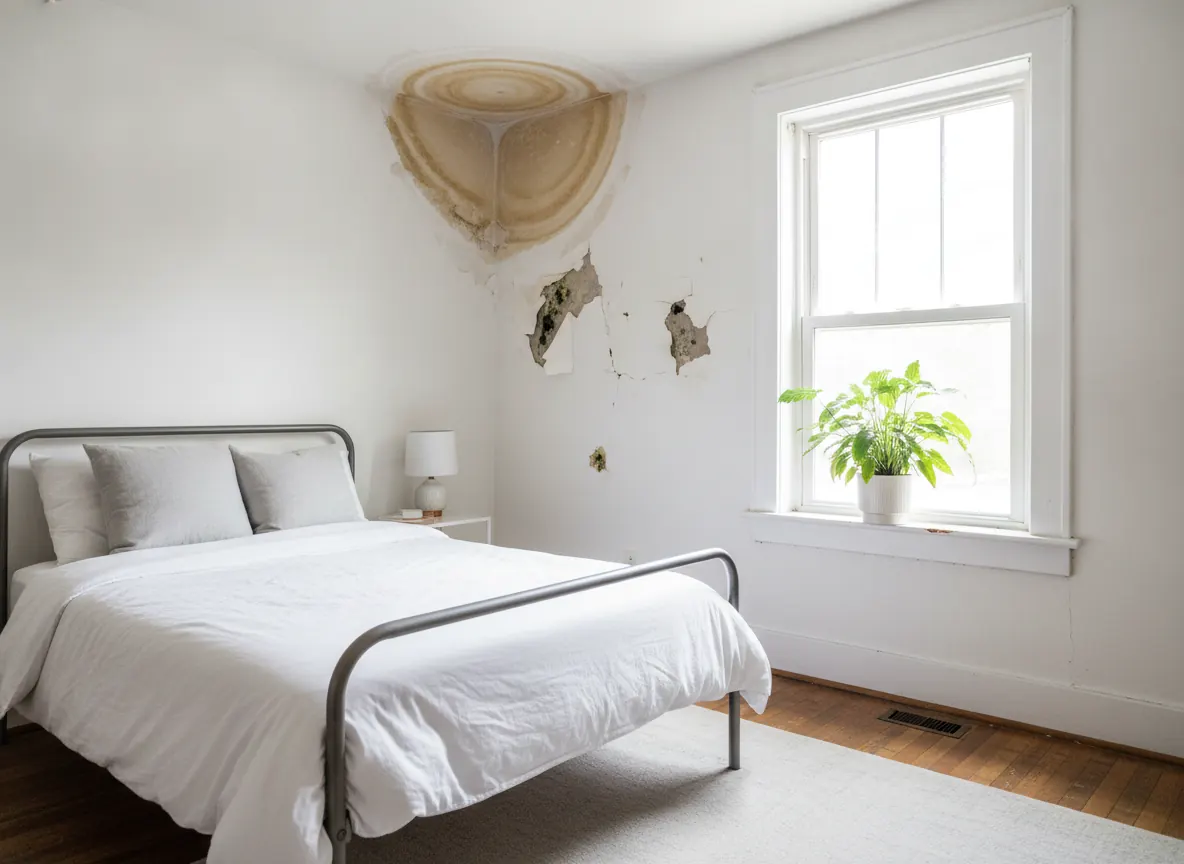
Renting is common here
About 42% of occupied homes in the City of Corpus Christi are renter-occupied, computed from the 57.9% owner-occupied share (ACS 2020–24 5-year). In Kingsville only 44.2% are owner-occupied, the lowest of any town this site covers (same series). Add second homes and vacation rentals: in Port Aransas, 36.4% of housing units are held for seasonal or occasional use (ACS).
Mold in a rental is usually a water problem first: a roof that leaked in a storm, an AC drain that backed up, a slow plumbing leak, or a unit closed up for weeks in summer humidity. Fixing the mold without fixing the water rarely lasts.
- Take dated photos of the mold and any leak, stain or wet carpet
- Note when you first saw it and anything that changed it, such as rain or the AC
- Keep the area as dry as you can and report it promptly
What Texas Property Code says about repairs
The statute does not mention mold by name. It sets a general repair duty for conditions that affect health or safety. Key pieces, in summary:
§92.052: the repair duty
A landlord must make a diligent effort to repair or remedy a condition if the tenant gives notice to the person or place where rent is normally paid, the tenant is not delinquent in rent when notice is given, and the condition materially affects the physical health or safety of an ordinary tenant. There is no duty for conditions the tenant caused, other than normal wear and tear.
Notice in writing
Written notice is required only if the lease is in writing and requires it, but writing is the safest choice. Under §92.056, a later written notice, or a first notice sent by certified mail, registered mail or another tracked form of mail, matters for the tenant's remedies.
§92.056: reasonable time
There is a rebuttable presumption that seven days is a reasonable time to repair. Rebuttable means circumstances can change it.
§92.054: after a storm or casualty
If the condition results from an insured casualty loss such as fire, smoke, hail, explosion or a similar cause, the repair period does not begin until the landlord receives the insurance proceeds. The section also covers ending the lease or reducing rent when the unit is totally or partially unusable.
TDLR adds two points in its 2025 consumer sheet: current Texas law does not require landlords or property owners to inspect for or clean mold, and TDLR cannot require a landlord or anyone else to clean or remove it. Tenant resources named there include your local health department, the State Bar of Texas Lawyer Referral line at (800) 252-9690, and texastenant.org.
Not legal advice. Corpus Christi Mold Remediation is a quote service, not a law firm. Whether a particular mold problem qualifies under §92.052, and what remedies apply, depends on your lease and the facts. Talk with a lawyer or a tenant resource before withholding rent, moving out or making repairs yourself.
For landlords and property owners
Texas mold licensing rules apply to rentals too, with a few owner-specific twists.
- Texas requires TDLR licenses for mold assessment and remediation work on 25 or more contiguous square feet (Occ. Code §1958.101–.102). Verify any company at tdlr.texas.gov/LicenseSearch.
- In Texas, the company that assesses your mold and writes the protocol cannot be the company that removes it on the same project, and one owner can't hold both (Occ. Code §1958.155).
- Under 25 contiguous square feet, an owner can clean it themselves or hire anyone. At 25 sq ft or more, hired work needs licensed companies, a written protocol, a work plan, TDLR notification (5 days ahead, or the next business day in a water-damage emergency), a clearance assessment, and a Certificate of Mold Damage Remediation within 10 days.
- The statute exempts an owner, or the owner's managing agent or employee, from licensing on a residential property the owner holds with fewer than 10 dwelling units (§1958.102(e)). The exemption has limits; read the statute or ask a professional before relying on it.
- Ask for the Certificate of Mold Damage Remediation (TDI form MDR-1). Insurers can't make underwriting decisions based on remediated mold damage when you have it (Ins. Code §544.303), and you must give buyers copies from the last five years (§1958.154(b)).
On insurance, TDI says most home policies cover sudden and accidental water release but not a continuous leak, and won't cover mold removal except to repair damage caused by a covered risk. Landlord and rental policies differ; many policies cap or exclude mold, so check your declarations page.
Condos and vacation rentals
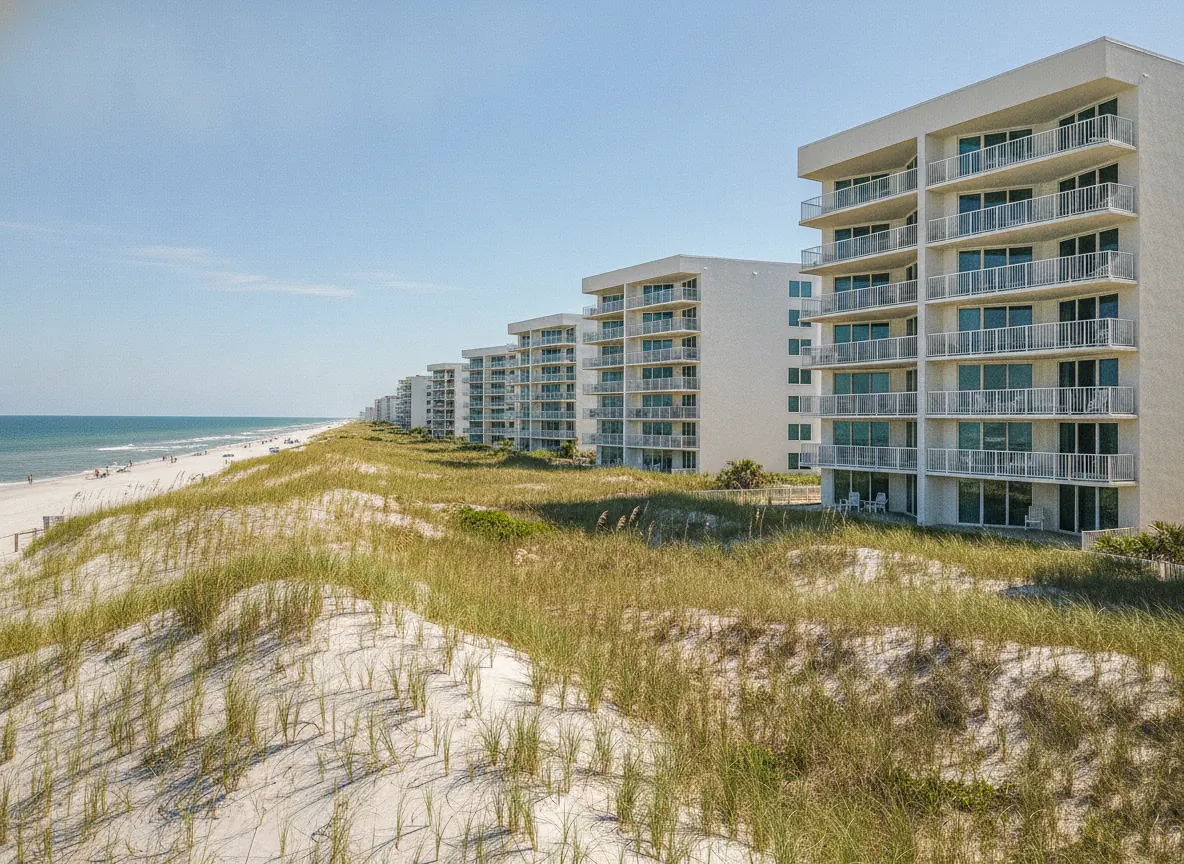
Condos. Whether the association or the unit owner handles mold depends on the condo's governing documents and on where the water came from. Texas condo responsibilities were not researched for this site, so check your declaration and bylaws, and ask the association or its manager in writing who maintains the roof, shared walls and plumbing involved. If you rent a condo, your repair request still goes to your landlord.
Vacation rentals and second homes. In Port Aransas, 36.4% of units are seasonal (ACS), and the 78418 ZIP area that covers Flour Bluff and Padre Island has 11.9% seasonal-vacant units (same series). A unit closed for weeks with the AC off or set high, in summer dew points averaging about 74°F (NOAA 1991–2020), can let indoor humidity climb; that is general building science, not a claim about any one property. Between-guest checks for musty smells and damp spots help. More on this in condo and vacation rental mold on Padre Island.
What mold work in a rental typically costs
Dated national ranges, not quotes. Who pays depends on the lease, the cause and any insurance. See the cost guide for the full table.
| Item | Typical range | Source |
|---|---|---|
| Mold remediation, overall | $1,500–$9,000 (avg ≈ $3,500) · $1,200–$3,750 (avg ≈ $2,300) | Fixr, Aug 2025 · This Old House, Mar 2026 |
| Mold inspection (standalone) | $450–$800 | Fixr, Jan 2025 |
| Bathroom | $500–$1,500 · $500–$1,000 | Fixr · This Old House |
| Walls | $1,000–$12,000 | Fixr |
Questions to ask the company
- What are the TDLR license numbers for the assessor and for the remediation company?
- Will the protocol and work plan be in writing, with a copy for the owner and, if agreed, the tenant?
- What caused the moisture, and is fixing it included or a separate trade?
- Who performs clearance, and will the owner receive the Certificate of Mold Damage Remediation?
- Can you provide photos and written records for the insurer and the rental file?
Related pages: bathroom and ceiling mold, wall and drywall mold, hurricane and flood mold, and is my landlord responsible for mold in Texas. Quotes are available in Kingsville, Flour Bluff, Padre Island, Port Aransas and the rest of the service area.
Get rental or condo mold quotes
Landlords, property managers, condo owners and tenants can all request quotes. Say whether you own or rent, whether it is a condo or vacation rental, where the mold is and what got wet. Tenants should also notify the landlord as described above.
Corpus Christi Mold Remediation is a free quote service, not a mold company. Companies that receive requests may pay Corpus Christi Mold Remediation for them, they are independent of this site, and they reply on their own schedules. No obligation, and you choose who to hire, if anyone. Prefer to talk? Call (361) 247-3040
Rental, landlord and condo mold questions
Is my landlord responsible for mold in Texas?
Texas law does not name mold. Property Code §92.052 requires a landlord to make a diligent effort to repair a condition that materially affects the physical health or safety of an ordinary tenant, once the tenant gives proper notice and is current on rent. A leak causing mold may qualify, but conditions the tenant caused are excluded. TDLR says it cannot require a landlord to clean mold. Not legal advice.
How should I tell my landlord about mold?
Give notice to the person or place where you normally pay rent. Section 92.052 requires written notice only if your written lease requires it, but writing is safest. Section 92.056 refers to a later written notice, or a first notice sent by certified, registered or another tracked form of mail. Date it, describe the leak and the mold, and keep copies and photos.
How long does a Texas landlord have to make repairs?
Under Property Code §92.056(d), there is a rebuttable presumption that seven days is a reasonable time to repair, which means the facts of a situation can change it. After a fire, hail or similar insured casualty, §92.054 says the repair period does not start until the landlord receives the insurance proceeds. For your situation, talk with a lawyer or tenant resource. Not legal advice.
What if the mold came from hurricane damage?
Property Code §92.054 says that if a condition results from an insured casualty loss such as fire, smoke, hail, explosion or a similar cause, the repair period does not begin until the landlord receives insurance proceeds. It also addresses ending the lease or reducing rent if the unit is totally or partially unusable. How that applies to a given storm is a legal question. Not legal advice.
Who handles mold in a condo, the association or the owner?
It depends on your documents. Texas condo responsibilities were not researched for this site, so check your declaration and bylaws, and ask the association or its manager in writing which parts of the building it maintains. A leak from a shared roof, pipe or wall may be treated differently from one inside your unit. If you rent a condo, your notice still goes to your landlord.
Found mold or a musty smell? Get free quotes.
Describe it once and independent mold companies serving Corpus Christi and the Coastal Bend can reply with no-obligation quotes.